Physical Address
304 North Cardinal St.
Dorchester Center, MA 02124
Physical Address
304 North Cardinal St.
Dorchester Center, MA 02124

Hai la risposta. У тебя есть ответ. คุณมีคำตอบแล้ว. آپ کے پاس جواب ہے.
Hai la risposta. У тебя есть ответ. คุณมีคำตอบแล้ว. آپ کے پاس جواب ہے.
本文比较外籍学生在中国顶尖高校的学费、生活成本及奖学金。The article compares tuition, living expenses, and scholarships for international students at China’s top universities. Статья сравнивает стоимость обучения, проживания и стипендии для иностранных студентов в ведущих вузах Китая
随着中国经济的腾飞与国际影响力的提升,越来越多的外籍学生将目光投向了东方。中国不仅拥有深厚的文化底蕴,更具备世界一流的学术资源。对于计划自费来华留学的学生而言,学费无疑是规划学业蓝图时最核心的考量因素之一。与英美等国高昂的留学成本相比,中国的高校展现出了极高的性价比。本文将深入剖析外籍学生在中国顶尖名校的学费体系,从院校梯队、专业差异到综合生活成本,为你提供一份详尽的留学学费对比指南。
With the rapid development of China’s economy and the enhancement of its international influence, more and more foreign students are turning their attention to the East. China not only possesses profound cultural heritage but also boasts world-class academic resources. For students with plans of studying in China at their own expense, tuition fees are undoubtedly one of the core considerations when planning their academic blueprint. Compared to the high cost of studying abroad in countries such as the UK and the US, Chinese universities offer a high cost-effectiveness ratio. This article will provide an in-depth analysis of the tuition fee systems of top universities in China, covering aspects ranging from institutional tiers and professional differences to comprehensive living costs, offering you a detailed guide for comparing tuition fees for studying abroad.
|
国家 |
Country |
年均学费 |
年均生活费 |
年总费用 |
|
美国 |
United States |
28,000–63,000 |
14,000–25,000 |
42,000–88,000 |
|
英国 |
United Kingdom |
25,000–49,000 |
14,000–21,000 |
39,000–70,000 |
|
澳大利亚 |
Australia |
25,000–42,000 |
14,000–21,000 |
39,000–63,000 |
|
新西兰 |
New Zealand |
17,000–31,000 |
11,000–17,000 |
28,000–48,000 |
|
瑞典 |
Sweden |
11,000–25,000 |
10,000–14,000 |
21,000–39,000 |
|
日本 |
Japan |
4,000–11,000 |
8,000–14,000 |
12,000–25,000 |
|
韩国 |
South Korea |
4,000–11,000 |
7,000–11,000 |
11,000–22,000 |
|
法国 |
France |
3,000–11,000 |
8,000–14,000 |
11,000–25,000 |
|
德国 |
Germany |
0–4,000 |
8,000–14,000 |
8,000–18,000 |
|
意大利 |
Italy |
1,500–5,500 |
8,000–12,000 |
9,500–17,500 |
|
西班牙 |
Spain |
2,000–7,000 |
7,000–11,000 |
9,000–18,000 |
|
中国 |
Mainland China |
700–1,500 |
2,000–4,500 |
2,700–6,000 |
Table 1: List of countries by overall fees in 2026.
中国顶尖名校的学费
(Tuition Fees for Top Chinese Schools)
在中国,顶尖高校(如清华、北大、复旦、上海交大、人大等)的本科留学生学费并非“一刀切”,而是根据院校定位、专业属性以及授课语言的不同,呈现出明显的梯队差异。以中国最负盛名的清华大学为例,其工科本科的留学生年学费大约在3万元人民币左右。作为理工科的顶尖殿堂,这一价格在同类世界名校中极具竞争力。相比之下,北京大学的学费则根据学科门类进行了细分:文法经济管理类的本科学费约为2.8万元/学年,而理工农一类的学费则略高,约为3.2万元/学年。这种定价策略反映了不同学科在教学资源投入上的差异。
In China, the tuition fees for undergraduate international students at top universities (such as Tsinghua University, Peking University, Fudan University, Shanghai Jiao Tong University, Renmin University of China, etc.) are not uniform, but vary significantly based on the institution’s positioning, the nature of the major, and the language of instruction. Taking Tsinghua University, the most prestigious institution in China, as an example, the annual tuition fee for international undergraduate students majoring in engineering is approximately 30,000 RMB. As a top hall of fame for science and engineering, this price is highly competitive among similar world-renowned universities. In contrast, Peking University’s tuition fees are subdivided according to different disciplines: the undergraduate tuition fee for liberal arts, law, and economic management is approximately 28,000 RMB per academic year, while the tuition fee for science, engineering, agriculture, and other disciplines is slightly higher, at approximately 32,000 RMB per academic year. This pricing strategy reflects the differences in teaching resource investment across different disciplines.
复旦大学和上海交通大学作为上海高校的“双子星”,其收费模式也各有千秋。复旦大学本科中文授课项目的学费跨度较大,大约在2.3万至4.2万元/学年之间,具体费用高度依赖于所选专业。上海交通大学的普通本科生学费约为2.4万元/学年,但值得注意的是,如果选择英文授课的本科项目,学费通常会更高。这体现了语言教学资源及国际化课程设置的附加值。中国人民大学作为人文社会科学领域的重镇,其本科课程留学费用大致在2.6万至3.6万元/学年。其中,商学院的英文本科课程学费达到了3.6万元/学年,处于该校收费的第一梯队。
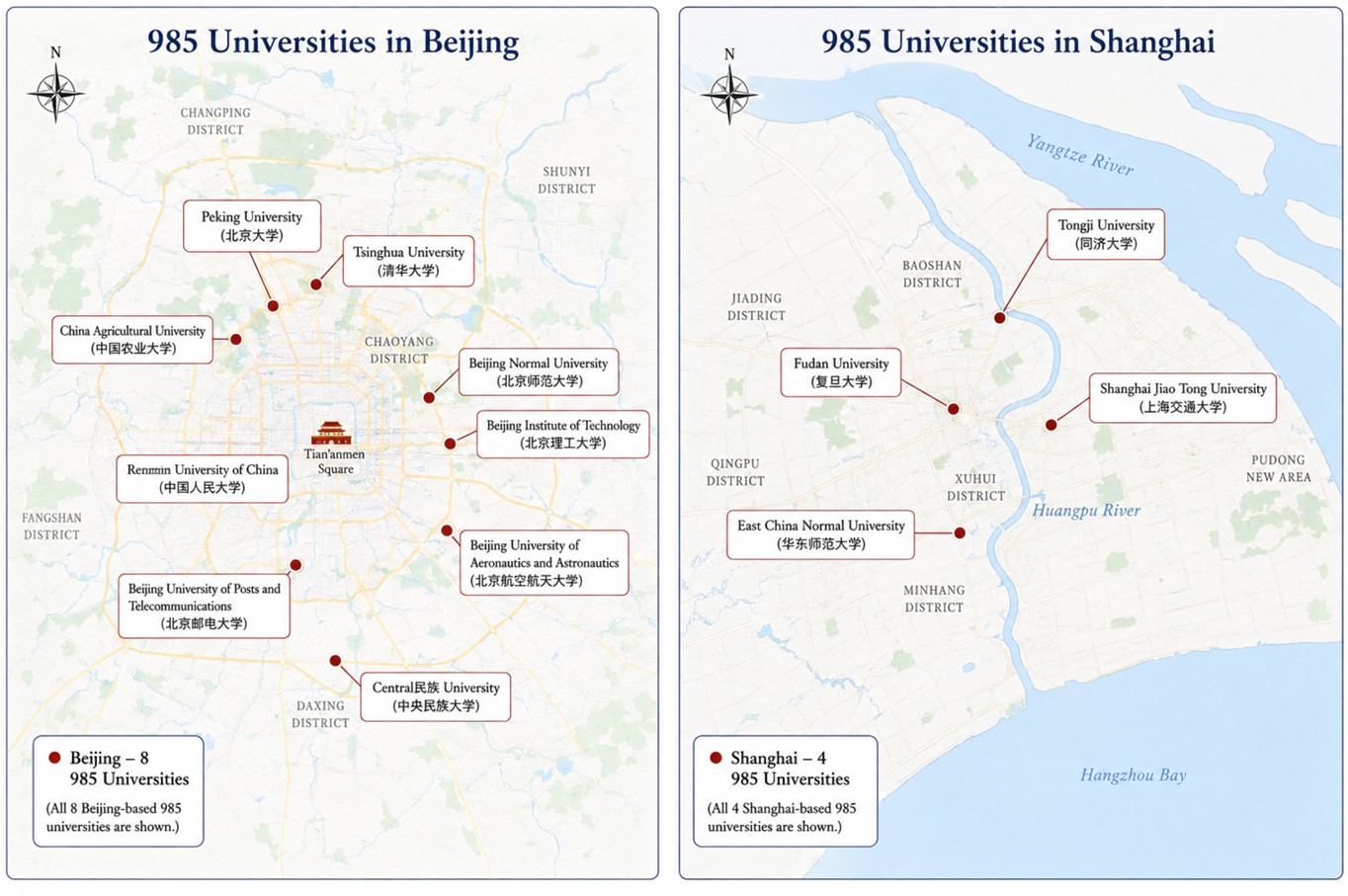
As the “twin stars” of Shanghai’s higher education institutions, Fudan University and Shanghai Jiao Tong University each have their unique tuition models. The tuition fees for undergraduate Chinese-taught programs at Fudan University vary widely, ranging from approximately 23,000 to 42,000 yuan per academic year, with specific fees highly dependent on the chosen major. The tuition for regular undergraduate students at Shanghai Jiao Tong University is approximately 24,000 yuan per academic year, but it is worth noting that if you choose an undergraduate program taught in English, the tuition will usually be higher. This reflects the added value of language teaching resources and international course offerings. As a major institution in the field of humanities and social sciences, Renmin University of China’s undergraduate study abroad fees are roughly between 26,000 and 36,000 yuan per academic year. Among them, the tuition for English undergraduate courses in the business school reaches 36,000 yuan per academic year, ranking in the first tier of the university’s tuition fees.
语言 (Languages)
中文授课与英文授课的差异
(Differences between Chinese-taught and English-taught programs)
通常情况下,中文授课项目的学费相对亲民。这不仅是因为中国高校致力于推广汉语教育,也是因为中文项目在资源调配上的成熟度较高。而英文授课项目,尤其是商科、医学等热门领域的英文项目,由于需要聘请具有国际背景的师资以及引进原版教材,其学费往往会比普通中文项目高出20%至50%不等。例如,部分顶尖高校的全英文MBA或医学本科项目,年学费甚至可能突破5万至6万元人民币。
Generally speaking, tuition fees for Chinese-taught programs are relatively affordable. This is not only because Chinese universities are committed to promoting Chinese language education, but also because Chinese programs have a higher level of maturity in resource allocation. On the other hand, English-taught programs, especially those in popular fields such as business and medicine, often incur tuition fees that are 20% to 50% higher than ordinary Chinese programs, due to the need to hire internationally-trained faculty and introduce original textbooks. For example, the annual tuition fees for some top universities’ fully English-taught MBA or medical undergraduate programs may even exceed RMB 50,000 to 60,000.
学科专业 (Different Disciplines)
理工科、医学以及艺术类专业的学费普遍高于文史哲类专业。理工科需要大量的实验室设备维护与耗材投入,医学则涉及高昂的临床实习成本。因此,在申请如计算机科学、临床医学或建筑学等专业时,留学生需要预留更多的学费预算。相反,汉语言文学、历史学等专业的学费通常处于各校收费标准的下限。
The tuition fees for majors in science and engineering, medicine, and the arts are generally higher than those for majors in literature, history, and philosophy. Science and engineering require significant investment in laboratory equipment maintenance and consumables, while medicine involves high costs for clinical internships. Therefore, when applying for majors such as computer science, clinical medicine, or architecture, international students need to allocate a higher tuition budget. Conversely, majors such as Chinese language and literature, history, and the like usually have tuition fees at the lower end of each school’s fee scale.
|
中文专业 |
Major (in English) |
平均月薪(元) Monthly Wage (¥) |
|
信息安全 |
Information Security |
7599 |
|
微电子科学与工程 |
Microelectronics Science and Engineering |
7282 |
|
电子科学与技术 |
Electronic Science and Technology |
7215 |
|
自动化 |
Automation |
7108 |
|
软件工程 |
Software Engineering |
7092 |
|
材料成型及控制工程 |
Materials Forming and Control Engineering |
7077 |
|
光电信息科学与工程 |
Optoelectronic Information Science and Engineering |
7076 |
|
电子信息科学与技术 |
Electronic Information Science and Technology |
7058 |
|
机械设计制造及其自动化 |
Mechanical Design Manufacturing and Automation |
7051 |
|
机械电子工程 |
Mechatronic Engineering |
7018 |
Table 2: List of Majors by Average Monthly Wage in China.
中外合作办学 (The 2+2, 3+1 Programs)
除了直接进入中国高校就读,近年来“中外合作办学”项目也成为了外籍学生(以及中国学生)关注的焦点。这类项目通常采用“国内+国外”的分段培养模式(如2+2、3+1等),其费用结构更为复杂,但也提供了更多元的选择。
In addition to directly enrolling in Chinese universities, “Sino-foreign cooperative education” programs have also become a focus of attention for foreign students (as well as Chinese students) in recent years. These programs typically adopt a segmented training model of “domestic + overseas” (such as 2+2, 3+1, etc.), with a more complex fee structure but also offering more diverse options.
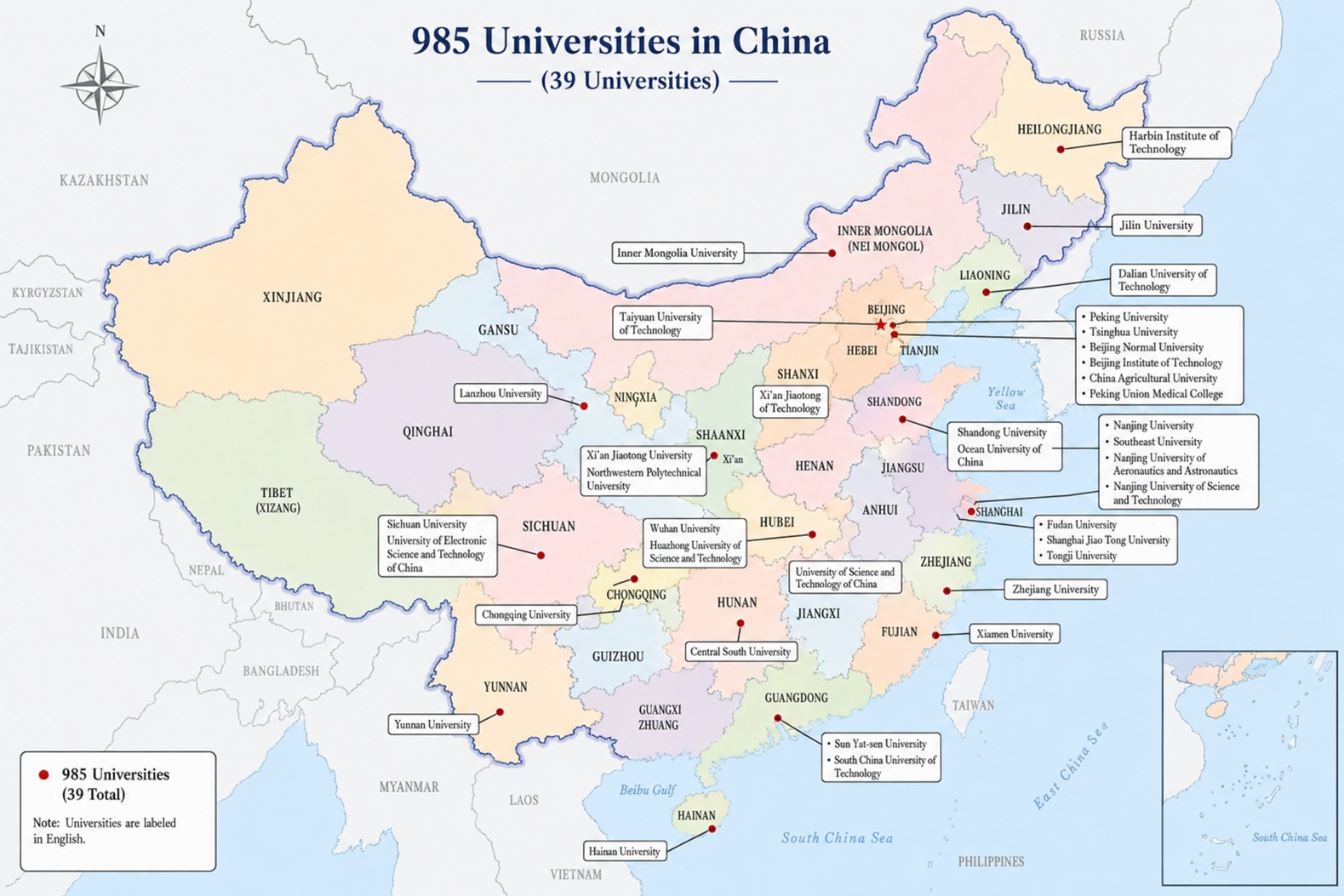
国内大学的2+2项目(又称国际本科)是一种“国内2年+国外2年”的本科分段培养模式,学生在国内高校完成语言强化与专业基础课后,达到要求即可赴海外合作院校继续深造,毕业后获得受教育部留学服务中心认证的海外学士学位。这类项目凭借正规备案资质和名校资源,成为高考内卷外的优质出路。以985名校为例,中央财经大学的2+2项目聚焦金融、会计等王牌商科,国内学费约9.8万元/年,对接英国女王大学、澳大利亚蒙纳士大学等名校;北京理工大学和电子科技大学则侧重计算机、电子工程等工科领域,国内学费约5万-8万元/年,可衔接英国曼彻斯特大学、悉尼大学等QS前200的高校;中央民族大学也开设了金融、计算机、新闻传播等方向的2+2项目,国内学费约6.8万元/年。整体来看,2+2项目国内阶段学费通常在3.6万-12万元/年不等,相比高中毕业直接出国读四年本科,能节省30%-40%的总费用(英美澳等国两年海外费用约40万-100万元),既降低了经济压力,又帮助学生平稳过渡适应海外教学环境。
The 2+2 program (also known as international undergraduate program) in domestic universities follows a segmented undergraduate training model of “2 years in China + 2 years abroad”. After completing language enhancement and professional foundation courses at domestic universities and meeting the requirements, students can proceed to overseas partner institutions for further studies and obtain an overseas bachelor’s degree certified by the China Education Service for Overseas Studies upon graduation. Leveraging formal registration qualifications and prestigious university resources, such programs have become an excellent alternative to the cut-throat competition of the college entrance examination. Taking top-tier 985 universities as examples, the 2+2 program at Central University of Finance and Economics focuses on flagship business disciplines such as finance and accounting, with domestic tuition fees of approximately 98,000 yuan per year, partnering with prestigious institutions such as Queen’s University of London and Monash University in Australia. Beijing Institute of Technology and University of Electronic Science and Technology of China emphasize engineering fields such as computer science and electronic engineering, with domestic tuition fees ranging from 50,000 to 80,000 yuan per year, connecting with top-200 universities such as the University of Manchester and the University of Sydney in the QS rankings. Minzu University of China also offers 2+2 programs in finance, computer science, journalism and communication, with domestic tuition fees of approximately 68,000 yuan per year. Overall, the tuition fees for the domestic phase of the 2+2 program typically range from 36,000 to 120,000 yuan per year, which can save 30%-40% of the total cost compared to directly studying abroad for a four-year undergraduate degree after high school graduation (the two-year overseas expenses in countries such as the UK, US, and Australia are approximately 400,000 to 1,000,000 yuan). This not only reduces economic pressure but also helps students smoothly transition and adapt to the overseas teaching environment.
生活成本 (Life Expenses)
住宿费用: 中国高校的住宿条件差异较大,费用也各不相同。以清华大学为例,住宿费每学期大约在3000至5000元。而在北京第二外国语学院等院校,校内住宿费每年约为3000至5000元。如果选择校外租房,尤其是在北京、上海等一线城市,每月的租金可能在2000至4000元不等,这将大幅增加生活开支。
Accommodation costs: The accommodation conditions in Chinese universities vary greatly, and the costs are also different. Taking Tsinghua University as an example, the accommodation fee is approximately 3,000 to 5,000 yuan per semester. At institutions such as Beijing International Studies University, the on-campus accommodation fee is about 3,000 to 5,000 yuan per year. If you choose to rent a house off campus, especially in first-tier cities such as Beijing and Shanghai, the monthly rent may range from 2,000 to 4,000 yuan, which will significantly increase living expenses.
日常开销: 外籍学生在中国的生活费相对可控。在大多数城市,每月2000至3000元人民币足以覆盖餐饮、交通和基本娱乐开销。当然,如果追求更高品质的生活方式,这一数字会相应上浮。
Daily expenses: The living expenses of foreign students in China are relatively manageable. In most cities, 2,000 to 3,000 yuan per month is sufficient to cover dining, transportation, and basic entertainment expenses. Of course, if one pursues a higher quality of life, this figure will increase accordingly.
隐性费用: 留学过程中还有一些“隐形”但必须支出的费用。例如,所有外籍学生必须购买的医疗保险,每年大约需要800元;签证申请与居留许可的办理费用;以及部分项目收取的教材费(每年约1000-2000元)、留学服务费(部分项目一次性收取约1.2万元)等。建议在规划预算时,预留10%-15%的弹性空间以应对这些额外支出。
Hidden costs: There are also some “invisible” but necessary expenses during the study abroad process. For example, all foreign students must purchase medical insurance, which costs approximately 800 yuan per year; visa application and residence permit processing fees; as well as textbook fees (approximately 1,000-2,000 yuan per year) and study abroad service fees (some programs charge a one-time fee of approximately 12,000 yuan) charged by some programs. It is recommended to reserve 10%-15% of flexibility in budget planning to accommodate these additional expenses.
奖学金 (Scholarships)
虽然本文主要讨论自费留学,但不得不提的是中国庞大的奖学金体系。对于成绩优异的外籍学生,中国政府奖学金(CSC)是一个极具吸引力的选项。全额奖学金通常涵盖免学费、免住宿费,并提供每月4000至6000元的生活费(具体视学历层次而定)。此外,各省市和高校也设有各类校级奖学金,金额从几千元到全额学费减免不等。因此,在申请学校时,务必仔细查阅各校的奖学金政策,这可能会彻底改变你的留学成本结构。
Although this article primarily focuses on self-financed study abroad, it is worth mentioning China’s extensive scholarship system. For foreign students with excellent academic performance, the Chinese Government Scholarship (CSC) is an extremely attractive option. A full scholarship typically covers tuition and accommodation fees, and provides a monthly living allowance ranging from 4,000 to 6,000 yuan (depending on the level of education). Furthermore, various provinces, cities, and universities also offer various school-level scholarships, with amounts ranging from several thousand yuan to full tuition waiver. Therefore, when applying to schools, it is essential to carefully review the scholarship policies of each institution, as this could drastically alter your study abroad cost structure.