Physical Address
304 North Cardinal St.
Dorchester Center, MA 02124
Physical Address
304 North Cardinal St.
Dorchester Center, MA 02124

Hai la risposta. У тебя есть ответ. คุณมีคำตอบแล้ว. آپ کے پاس جواب ہے.
Hai la risposta. У тебя есть ответ. คุณมีคำตอบแล้ว. آپ کے پاس جواب ہے.

从历史、就业机会与生活成本的维度,精准锁定目的地。Accurately pinpoint the destination from the city history, employment opportunities, and cost of living. Точно определите пункт назначения, исходя из истории города, возможностей трудоустройства и стоимости жизни.
Choosing the right city in China is essential for a successful study experience. Different cities offer varying educational resources, living costs, cultural environments, and career opportunities. Large metropolitan areas provide access to leading universities and internships, while smaller cities may offer a more affordable and comfortable lifestyle. The city a student chooses can significantly influence academic performance, personal growth, and future career development. Therefore, careful consideration of location-related factors is crucial when planning to study in China.
Beijing, the capital of China, is one of the world’s oldest capital cities and has been at the center of Chinese civilization for more than three millennia. Originally established as the ancient city of Ji, Beijing gradually developed into a major political and military center because of its strategic location in northern China. It became the capital of a unified empire during the Yuan Dynasty and later flourished under the Ming and Qing dynasties. Many of its most famous landmarks, including the Forbidden City, the Temple of Heaven, and nearby sections of the Great Wall of China, reflect its historical significance. Today, Beijing combines a rich cultural heritage with modern urban development, serving as China’s political, cultural, and diplomatic center.
Beijing is widely regarded as the country’s leading center of tertiary education and scientific research. The city hosts many of China’s most prestigious universities, including Peking University and Tsinghua University, both of which rank among the top universities in Asia and the world. Other prominent institutions include Renmin University of China, Beijing Normal University, and Beihang University. The city is also home to numerous research institutes affiliated with the Chinese Academy of Sciences. These institutions attract talented students and scholars from across China and abroad, contributing significantly to advancements in science, technology, medicine, economics, and public policy.
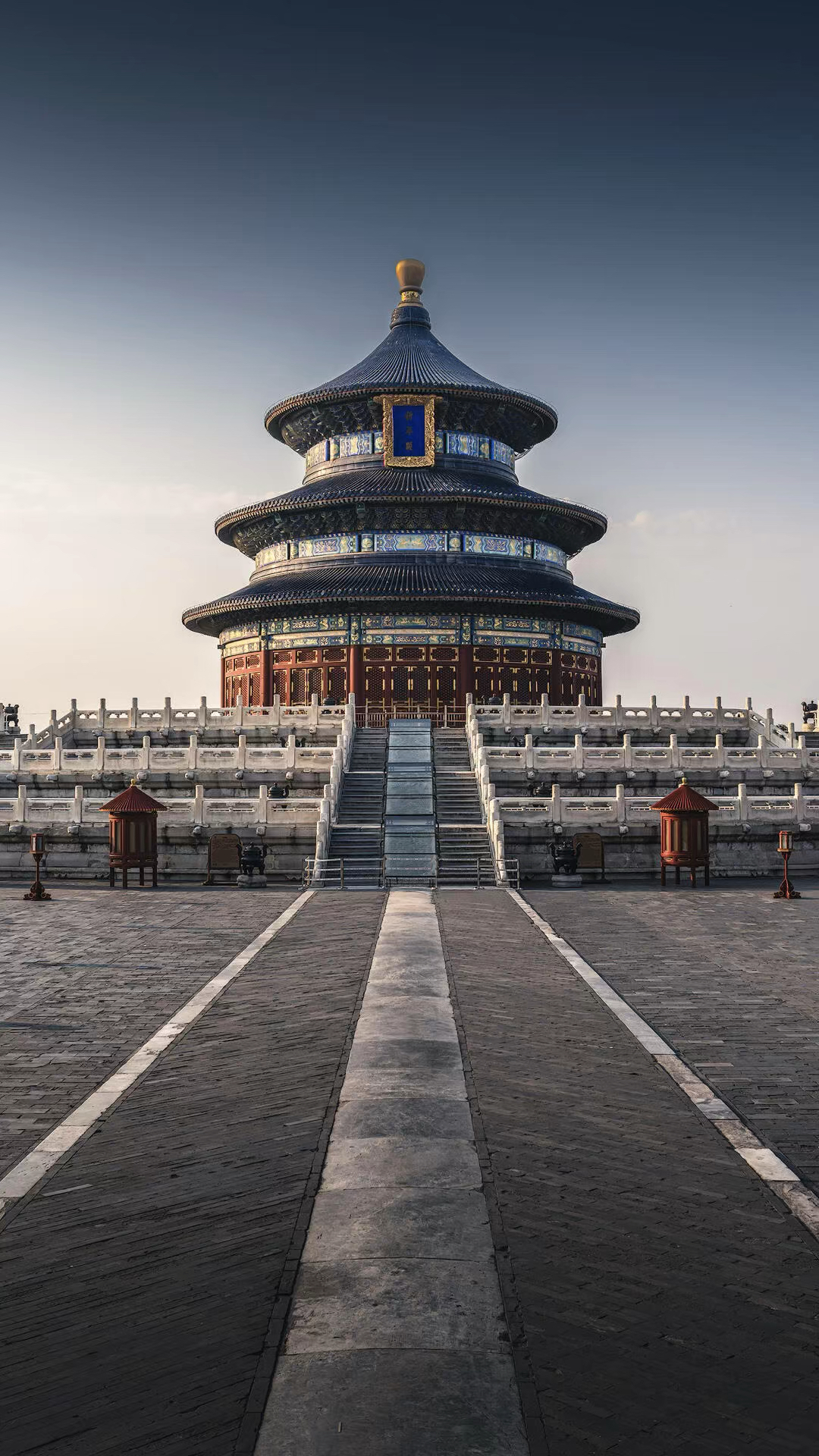
The city’s strong educational and research foundation supports one of the most diverse labor markets in China. As the national capital, Beijing offers extensive employment opportunities in government, diplomacy, public administration, and international organizations. It is also a major center for technology and innovation, with Zhongguancun often referred to as China’s Silicon Valley. Leading companies such as Baidu, ByteDance, and JD.com provide employment in software engineering, artificial intelligence, data science, and digital media. In addition, Beijing has strong finance, healthcare, education, consulting, and cultural sectors. Although competition for high-level positions can be intense and living costs are relatively high, Beijing remains one of the most attractive destinations in China for students, researchers, entrepreneurs, and professionals seeking academic excellence and long-term career development.
Shanghai, the largest city in China, is one of the world’s most influential financial and commercial centers. Originally a small fishing village and market town, Shanghai began to rise in importance during the Ming and Qing dynasties because of its strategic location at the mouth of the Yangtze River. Its transformation accelerated in the nineteenth century when it was opened to international trade, attracting merchants, investors, and entrepreneurs from around the world. By the early twentieth century, Shanghai had become China’s most cosmopolitan city and a symbol of modernization. Today, historic areas such as the The Bund stand alongside the skyscrapers of the Lujiazui Financial District, reflecting the city’s unique blend of tradition and innovation.
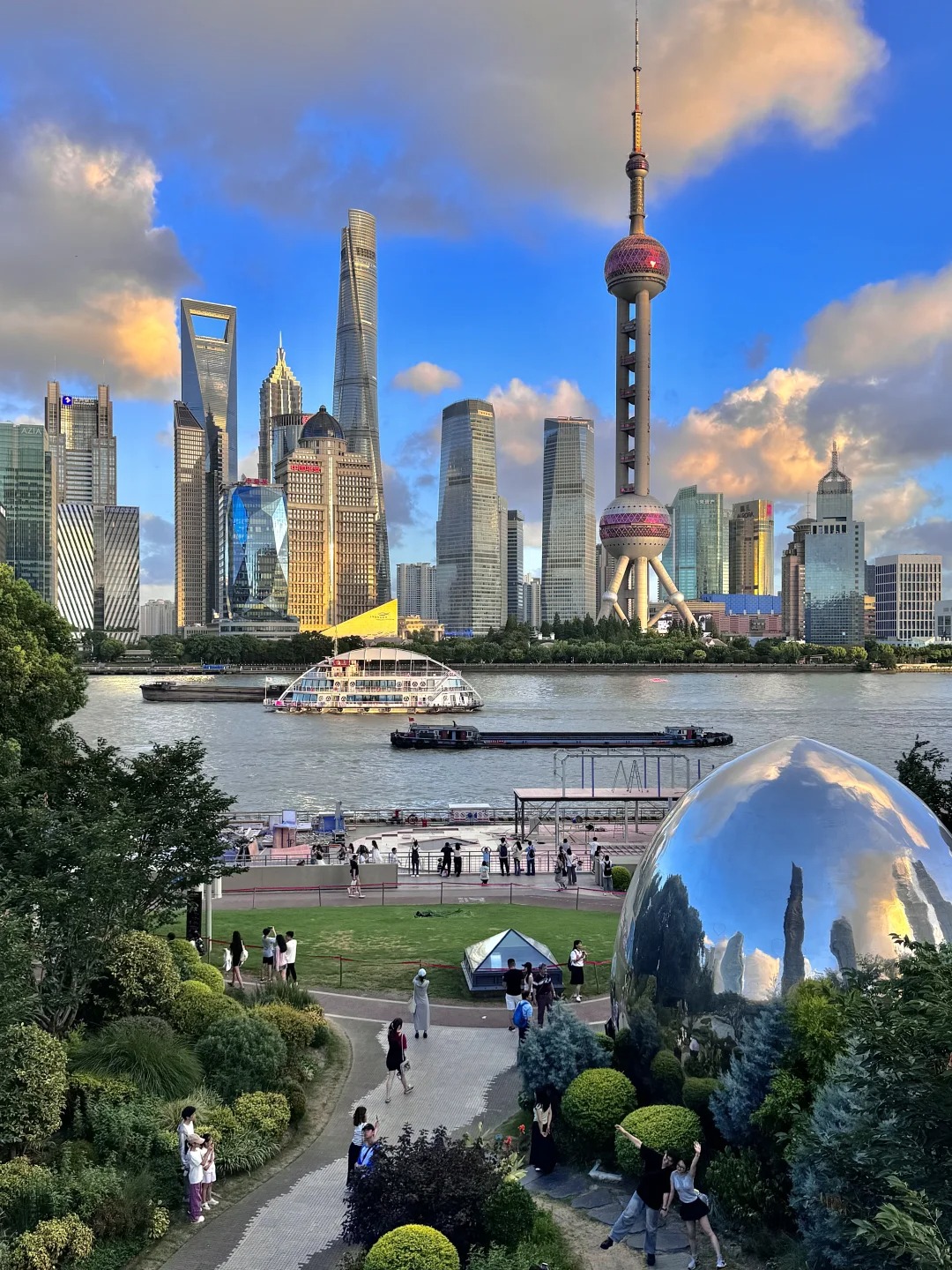
Shanghai is also one of China’s leading centers of tertiary education and scientific research. The city hosts several internationally recognized universities, including Fudan University and Shanghai Jiao Tong University, both of which rank among the top institutions in Asia. Other prominent universities include Tongji University and East China Normal University. These institutions offer strong programs in engineering, medicine, business, economics, science, and the humanities. Their extensive research activities and international partnerships help make Shanghai a major hub for innovation, talent development, and global academic collaboration.
The city’s highly diversified economy provides excellent employment opportunities for graduates and professionals. As China’s leading financial center, Shanghai is home to the Shanghai Stock Exchange and numerous multinational corporations. Key employment sectors include finance, international trade, consulting, logistics, advanced manufacturing, biotechnology, and information technology. In recent years, Shanghai has also emerged as a center for artificial intelligence, integrated circuits, and digital innovation. Its strong international business environment, world-class infrastructure, and extensive global connections continue to attract skilled workers from across China and around the world. As a result, Shanghai remains one of the most desirable cities in Asia for higher education, research, entrepreneurship, and long-term career development.
Guangzhou, the capital of Guangdong Province, is one of China’s oldest and most internationally connected cities. With a history of more than 2,200 years, Guangzhou has long served as a major gateway between China and the rest of the world. As an important port on the Maritime Silk Road, the city became a center of international trade, attracting merchants from Asia, the Middle East, and Europe. During the Qing Dynasty, Guangzhou was the only Chinese port officially open to most Western trade for a period of time. Today, historic landmarks such as the Temple of the Six Banyan Trees and the Chen Clan Ancestral Hall reflect the city’s rich cultural heritage, while its modern skyline showcases its economic vitality.
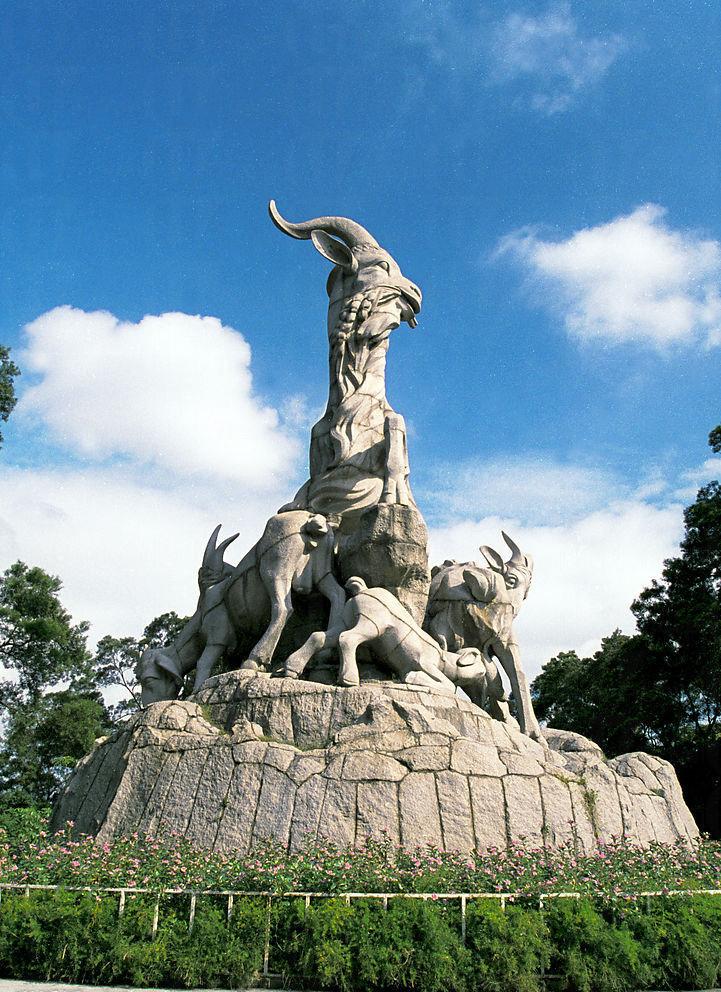
Guangzhou is also one of China’s leading centers of tertiary education and research. The city is home to prestigious universities such as Sun Yat-sen University, which is widely recognized for excellence in medicine, science, and the humanities, and South China University of Technology, a leading institution in engineering and technology. Other notable institutions include Jinan University and South China Normal University. These universities attract students from across China and around the world, contributing significantly to innovation, scientific research, and talent development.
The city’s strong educational foundation supports one of the most dynamic labor markets in China. As a core city of the Guangdong–Hong Kong–Macao Greater Bay Area, Guangzhou offers extensive employment opportunities in international trade, finance, manufacturing, logistics, biotechnology, healthcare, and information technology. The city hosts the famous China Import and Export Fair, which highlights its role in global commerce. In recent years, emerging industries such as artificial intelligence, digital services, and advanced manufacturing have expanded rapidly. Combined with its strategic location, strong infrastructure, and international business environment, Guangzhou remains an attractive destination for students, researchers, entrepreneurs, and professionals seeking long-term career development in one of Asia’s most vibrant metropolitan economies.
Shenzhen, located in Guangdong Province, is one of the youngest and most dynamic major cities in China. Before 1980, Shenzhen was a small fishing community near Hong Kong. Its transformation began when it became China’s first Special Economic Zone, attracting investment, technology, and talent from around the world. Within just a few decades, Shenzhen grew into a global center of innovation and economic development, symbolizing China’s reform and opening-up policies.
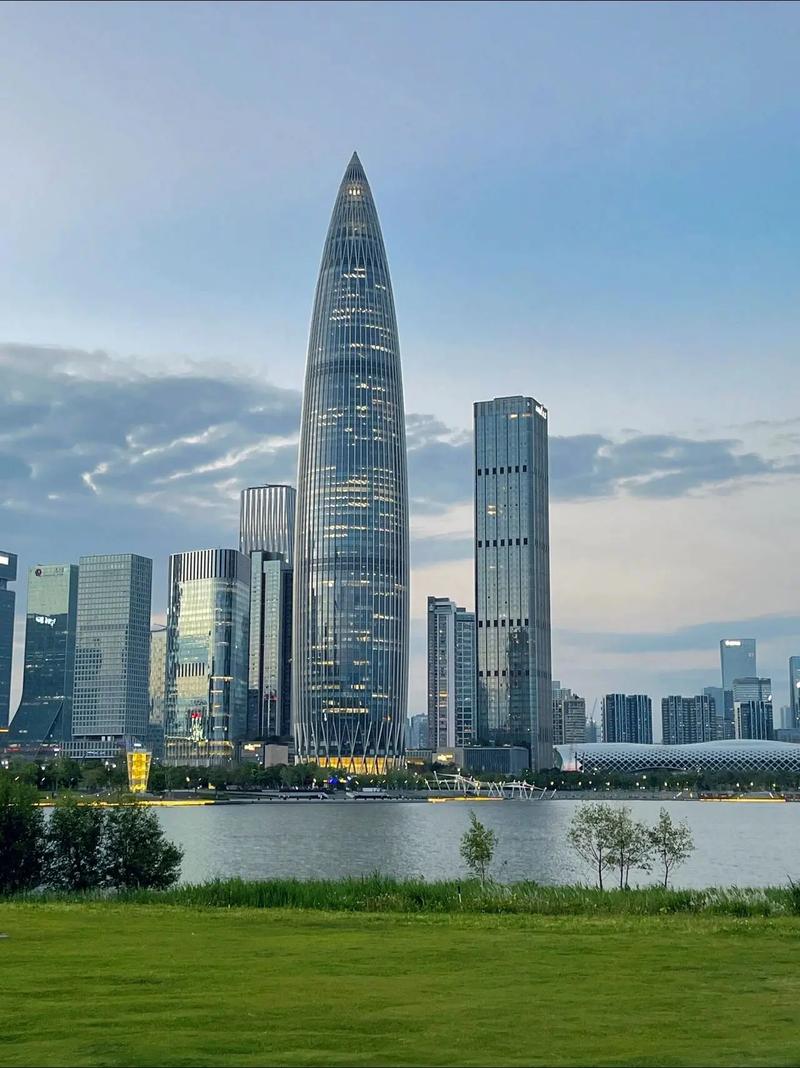
The city has rapidly developed its higher education sector. Leading institutions include Southern University of Science and Technology, Shenzhen University, and graduate campuses established by several top Chinese universities. These institutions focus strongly on science, engineering, technology, and innovation, helping to cultivate a highly skilled workforce.
Shenzhen offers some of the best employment opportunities in China, particularly in technology and advanced manufacturing. The city is home to major companies such as Huawei, Tencent, and BYD. Key industries include artificial intelligence, software development, electronics, finance, biotechnology, and renewable energy. With its entrepreneurial culture, international outlook, and strong innovation ecosystem, Shenzhen continues to attract students, researchers, entrepreneurs, and professionals seeking education, career advancement, and business opportunities.
Hangzhou, the capital of Zhejiang Province, is one of China’s most historic and picturesque cities. With a history of more than 2,200 years, it flourished as the capital of the Southern Song Dynasty and became a center of commerce, culture, and scholarship. The city’s beauty inspired poets and artists for centuries, and the famous West Lake remains one of China’s most celebrated scenic attractions. Today, Hangzhou successfully combines its rich historical heritage with rapid modernization and economic growth.
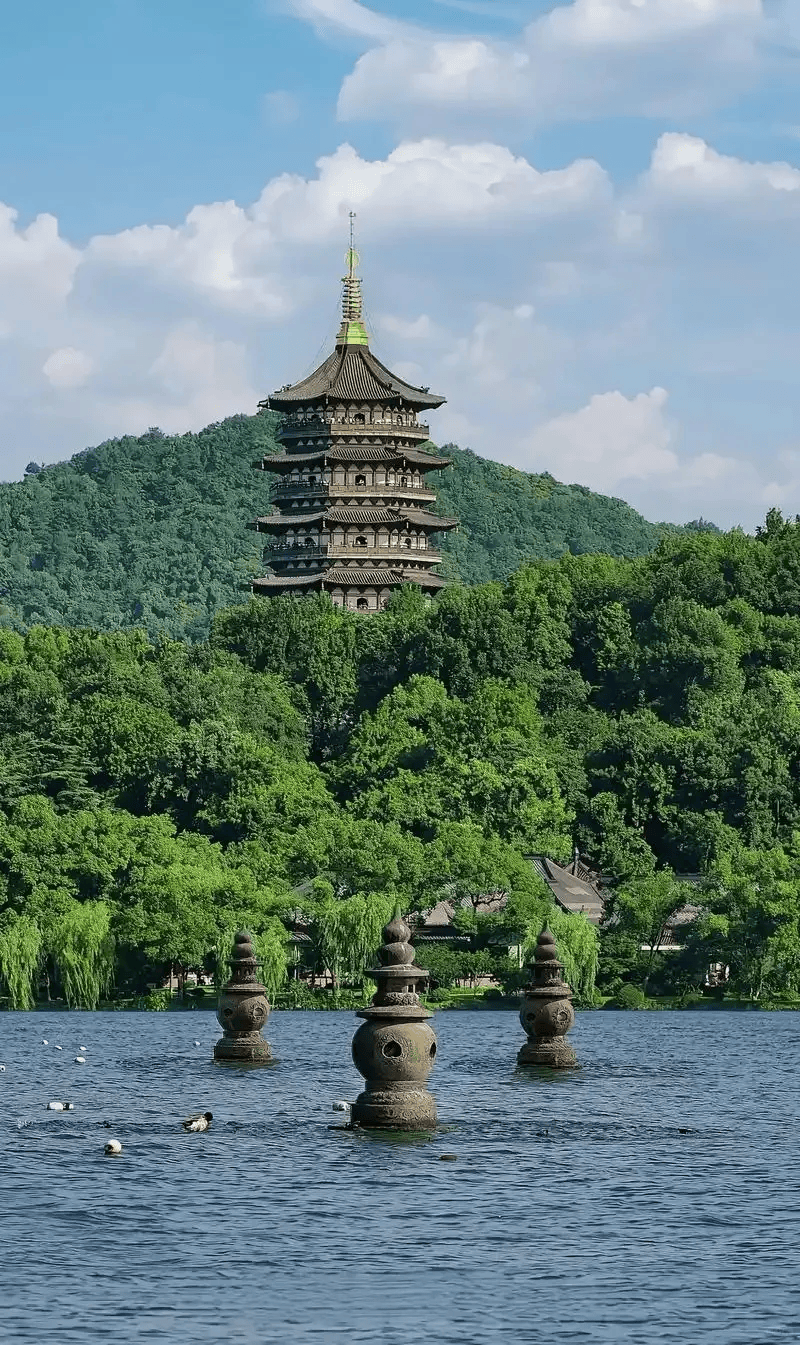
The city is also a leading center of tertiary education and research. Its most prestigious institution, Zhejiang University, ranks among China’s top universities and is internationally recognized for excellence in science, engineering, medicine, and business. Numerous research institutes and innovation centers further strengthen Hangzhou’s academic environment.
Hangzhou offers outstanding employment opportunities, particularly in technology and digital industries. The city is home to Alibaba Group and many innovative startups. Major sectors include e-commerce, artificial intelligence, finance, software development, biotechnology, and advanced manufacturing. With a strong entrepreneurial culture, high quality of life, and growing global connections, Hangzhou continues to attract students, researchers, and professionals from across China and around the world.
Nanjing, the capital of Jiangsu Province, is one of China’s most historic cities and one of the country’s ancient capitals. With a history of more than 2,500 years, Nanjing served as the capital of several dynasties and governments, making it an important political and cultural center throughout Chinese history. Famous landmarks such as the Sun Yat-sen Mausoleum and the Nanjing City Wall reflect its rich historical heritage and national significance.
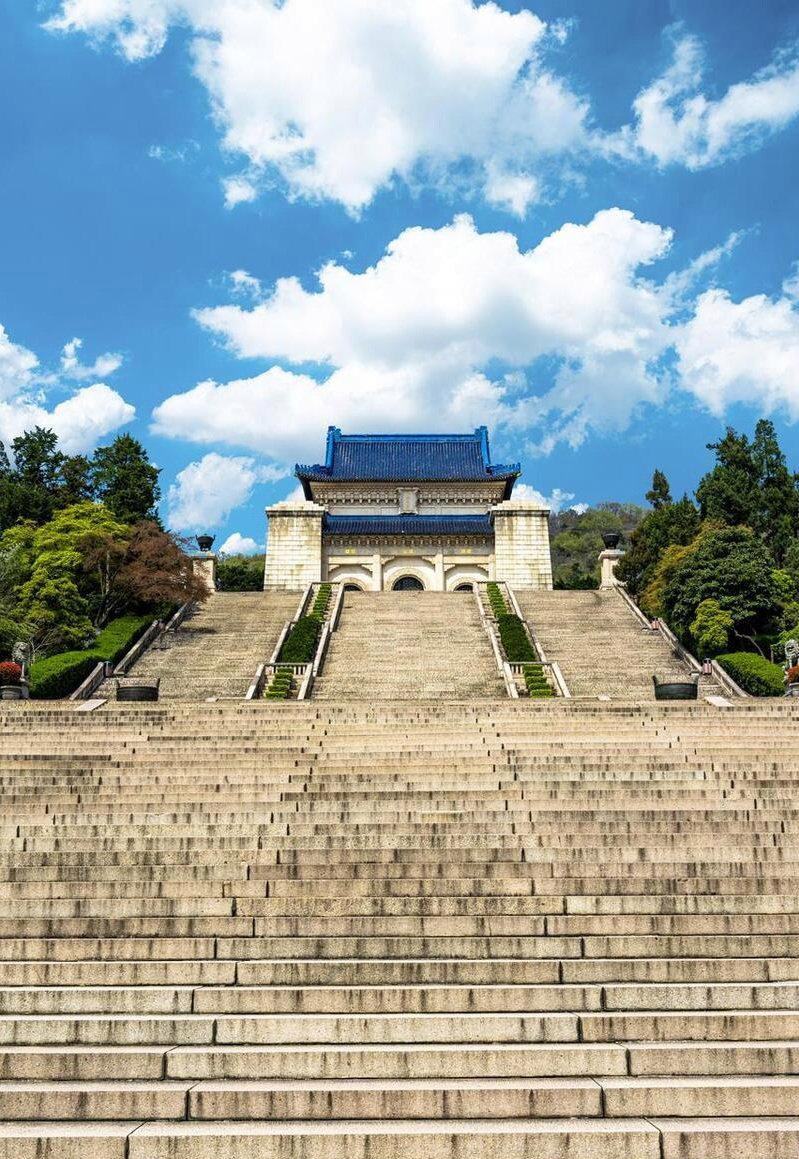
Nanjing is also a leading center of tertiary education and research. The city is home to prestigious institutions including Nanjing University and Southeast University, both of which are highly respected for their contributions to science, engineering, medicine, and the humanities. These universities attract talented students from across China and abroad.
The city’s diversified economy provides strong employment opportunities in information technology, advanced manufacturing, finance, research, education, and healthcare. As an important city in the Yangtze River Delta region, Nanjing attracts domestic and international investment while maintaining a relatively high quality of life. Its combination of historical significance, academic excellence, and economic vitality makes Nanjing an attractive destination for students, researchers, and professionals seeking long-term career development.
Wuhan, the capital of Hubei Province, is one of the most important cities in central China. Formed from the historic towns of Wuchang, Hankou, and Hanyang, Wuhan has a history spanning more than 3,500 years. Located at the intersection of the Yangtze and Han rivers, it developed into a major transportation and commercial center. The city also played a significant role in modern Chinese history, particularly during the Xinhai Revolution, which contributed to the end of imperial rule in China.
Wuhan is a leading center of tertiary education and research. The city is home to prestigious institutions such as Wuhan University and Huazhong University of Science and Technology, both of which are highly regarded for excellence in science, engineering, medicine, and the humanities. Numerous other universities and research institutes contribute to the city’s strong academic reputation.
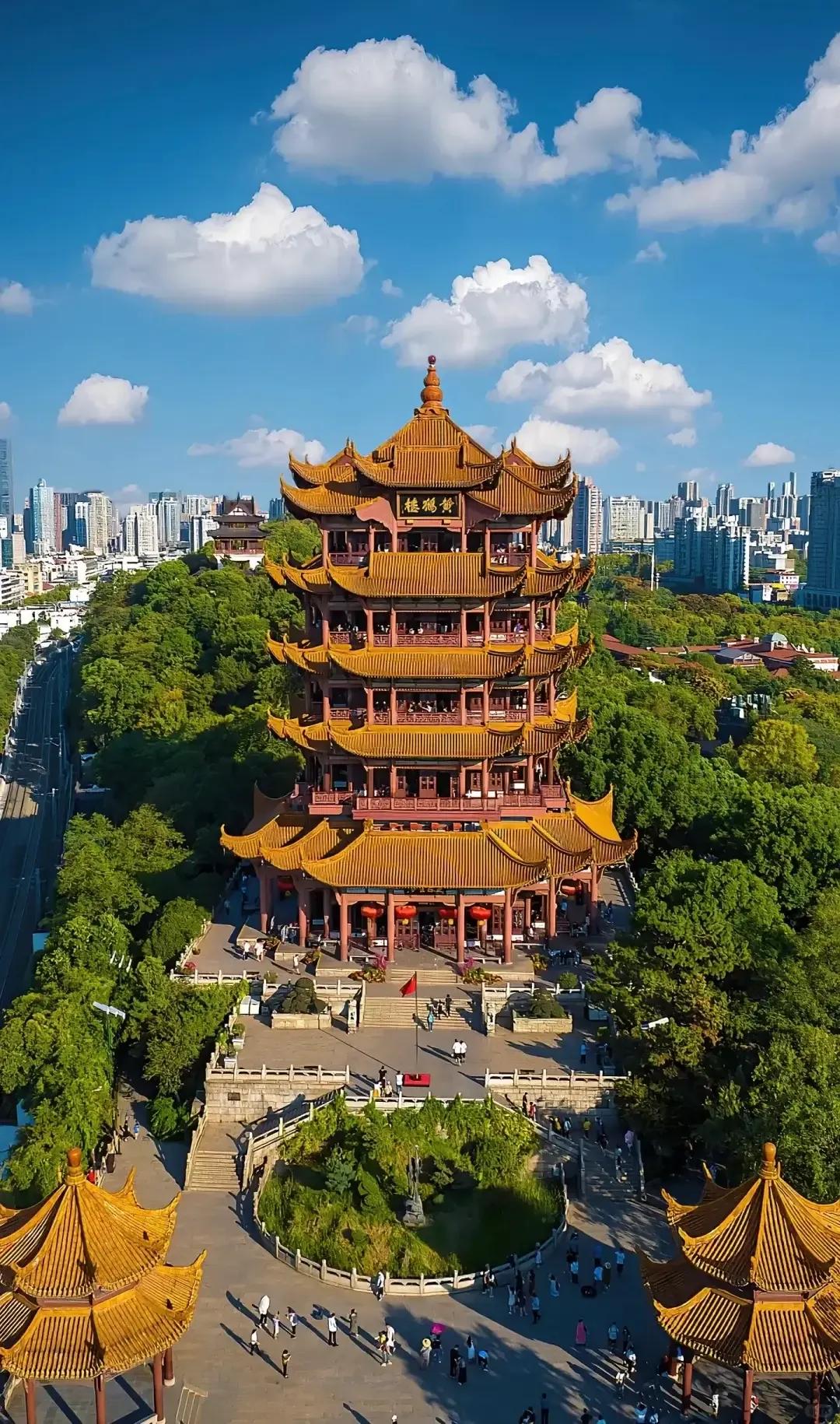
The city’s diversified economy provides abundant employment opportunities. Major industries include advanced manufacturing, automotive production, biotechnology, information technology, healthcare, education, and logistics. As a key transportation hub connecting eastern, western, northern, and southern China, Wuhan attracts substantial investment and business activity. With a relatively affordable cost of living and strong career prospects, Wuhan continues to attract students, researchers, entrepreneurs, and professionals seeking education and long-term career development in central China.
Chengdu, the capital of Sichuan Province, is one of China’s oldest cities, with a history of more than 2,300 years. Located on the fertile Chengdu Plain, it has long been an important political, economic, and cultural center in western China. The city is famous for its rich heritage, distinctive cuisine, and attractions such as the Chengdu Research Base of Giant Panda Breeding. Today, Chengdu successfully combines historical traditions with rapid modernization and urban development.
Chengdu is also a leading center of tertiary education and research. Major institutions include Sichuan University, University of Electronic Science and Technology of China, and Southwestern University of Finance and Economics. These universities are well known for their strengths in engineering, information technology, medicine, finance, and scientific research.
The city’s economy provides extensive employment opportunities in technology, finance, aerospace, healthcare, education, and advanced manufacturing. Chengdu has become one of China’s most important innovation hubs, attracting both domestic and international companies. Compared with many coastal cities, it offers a relatively lower cost of living while maintaining strong career prospects. Its combination of historical significance, educational excellence, and economic vitality makes Chengdu an attractive destination for students, researchers, and professionals seeking long-term development in western China.
Chongqing, one of the four municipalities directly administered by the central government of China, is a major city in southwestern China with a history of more than 3,000 years. Situated at the confluence of the Yangtze and Jialing rivers, it has long served as an important transportation, commercial, and military center. During the Second World War, Chongqing became China’s wartime capital, further strengthening its historical significance. Today, the city is known for its mountainous landscape, vibrant urban development, and distinctive hotpot culture.
Chongqing is also an important center of tertiary education and research in western China. Leading institutions include Chongqing University and Southwest University, both of which are recognized for strengths in engineering, science, education, agriculture, and technology. These universities contribute significantly to regional innovation and talent development.
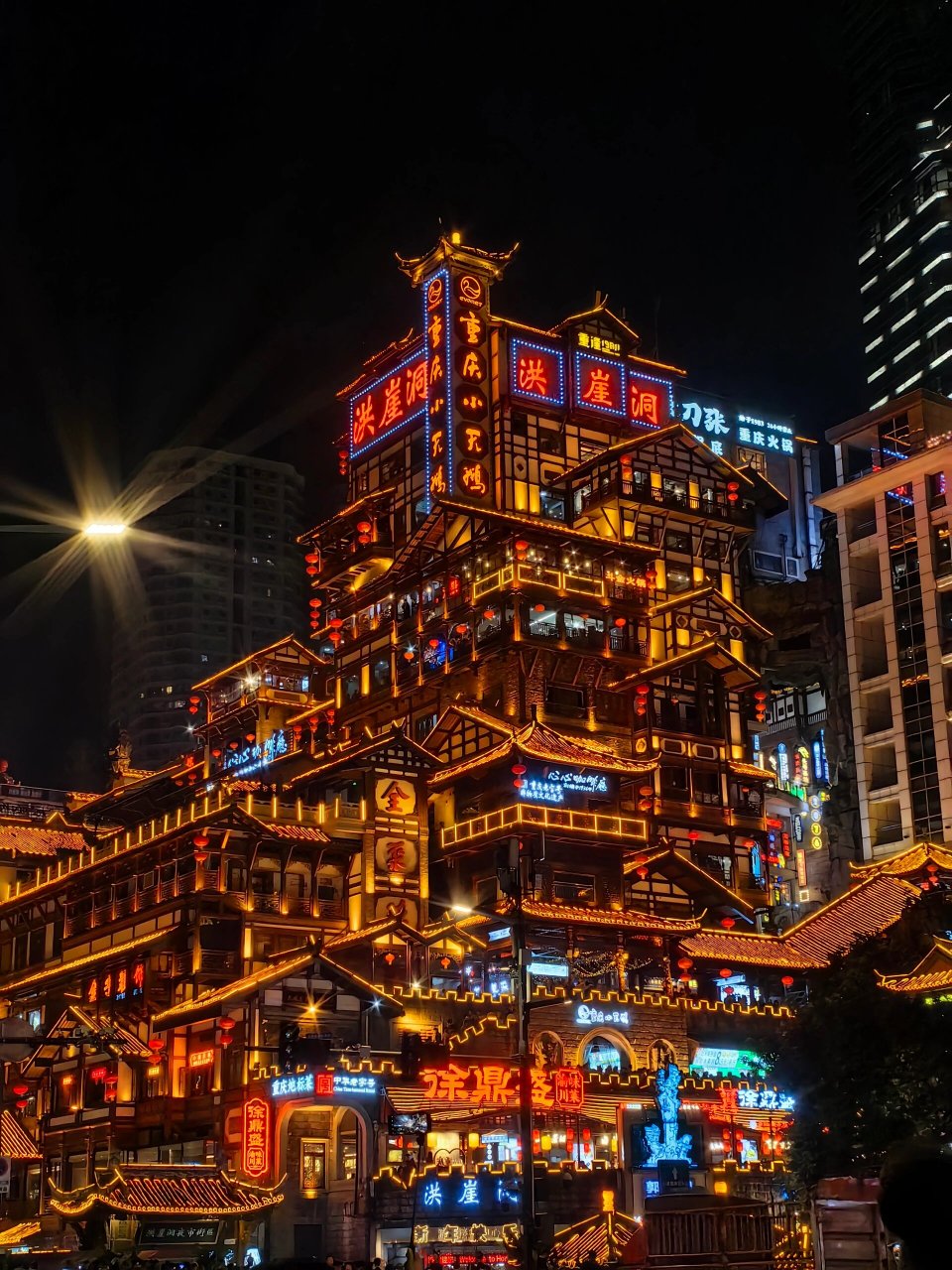
The city’s rapidly growing economy provides extensive employment opportunities in automotive manufacturing, electronics, advanced materials, logistics, finance, information technology, and modern services. As one of western China’s largest economic hubs and an important gateway along the Yangtze River Economic Belt, Chongqing attracts substantial domestic and international investment. Its combination of strong industrial capacity, expanding innovation sectors, and relatively moderate living costs makes it an appealing destination for students, researchers, and professionals seeking education and career growth.
Changsha, the capital of Hunan Province, is a historic city with more than 3,000 years of history. Located along the Xiang River, it was an important political and cultural center in ancient China. The city is famous for the archaeological discoveries at the Mawangdui Han Tombs, which revealed valuable insights into early Chinese civilization.
Changsha is also a major center of tertiary education. Leading institutions include Central South University, Hunan University, and Hunan Normal University. These universities are known for strong programs in engineering, medicine, science, and education.

The city’s economy offers growing employment opportunities in advanced manufacturing, engineering, information technology, healthcare, and research. Major companies such as SANY Group and Zoomlion are headquartered in Changsha. With a relatively affordable cost of living and a rapidly developing economy, Changsha has become an attractive destination for students, graduates, and professionals seeking education and career advancement in central China.
Qingdao, located in Shandong Province on the Yellow Sea coast, is one of China’s most important port cities. Originally a fishing settlement, it developed rapidly during the late nineteenth century and became known for its unique blend of Chinese and European architectural influences. Today, Qingdao is famous for its coastal scenery and the internationally recognized Tsingtao Beer.
The city is a major center of tertiary education and research. Leading institutions include Ocean University of China, renowned for marine science, and China University of Petroleum (East China). These universities attract students from across China and abroad.
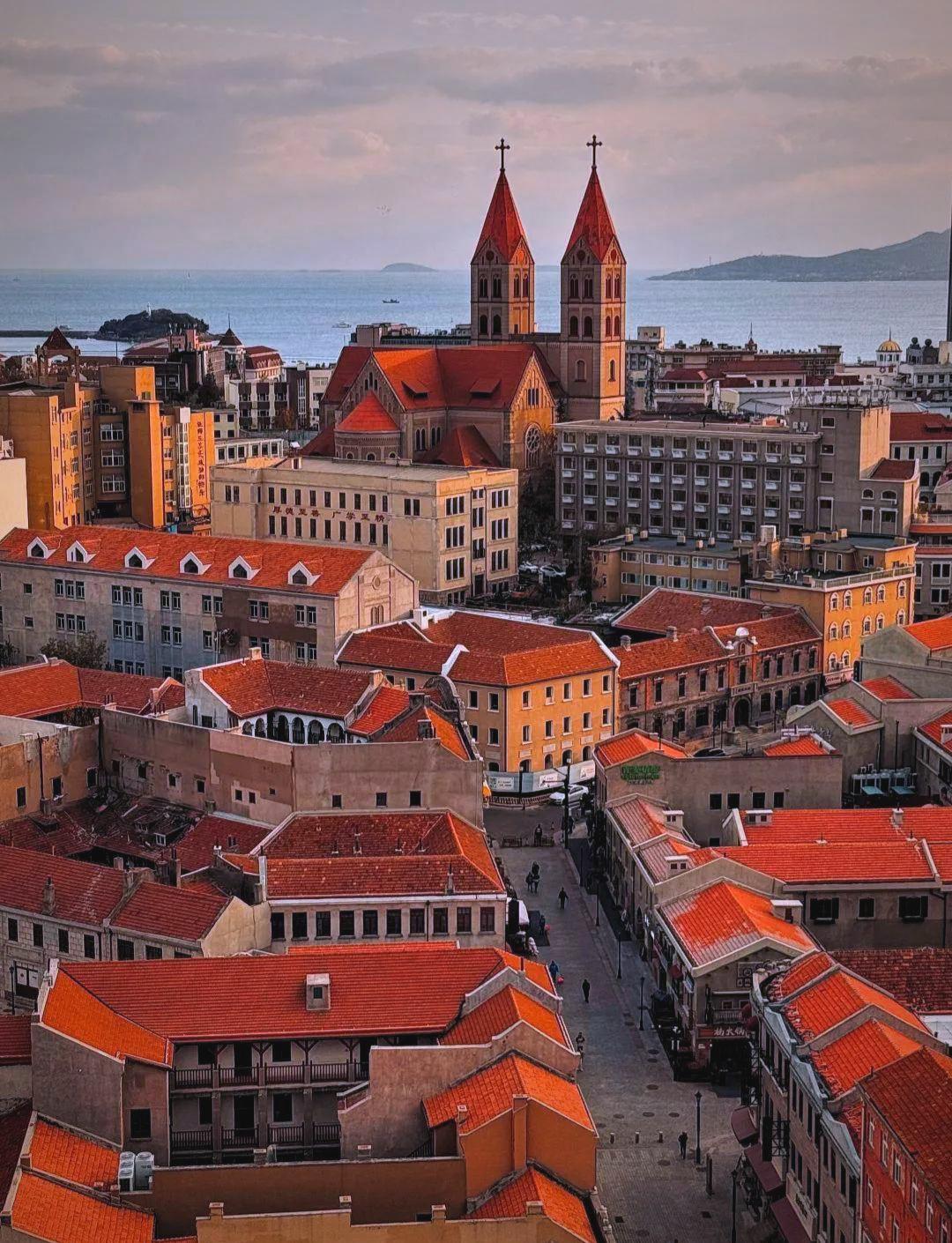
Qingdao offers strong employment opportunities in shipping, international trade, marine industries, advanced manufacturing, tourism, finance, and logistics. As one of China’s leading seaports and an important economic hub in eastern China, the city combines a strong economy, high quality of life, and growing innovation sectors, making it attractive to graduates and professionals.
Xi’an, the capital of Shaanxi Province, is one of China’s most historically significant cities. Known as Chang’an in ancient times, it served as the capital of several powerful dynasties and was the eastern starting point of the ancient Silk Road. With a history of more than 3,000 years, Xi’an played a central role in Chinese civilization. The city is famous for the Terracotta Army, one of the world’s most important archaeological discoveries.
Xi’an is also a major center of tertiary education and research in western China. Leading institutions include Xi’an Jiaotong University, Northwestern Polytechnical University, and Xidian University. These universities are particularly strong in engineering, information technology, aerospace, and scientific research.
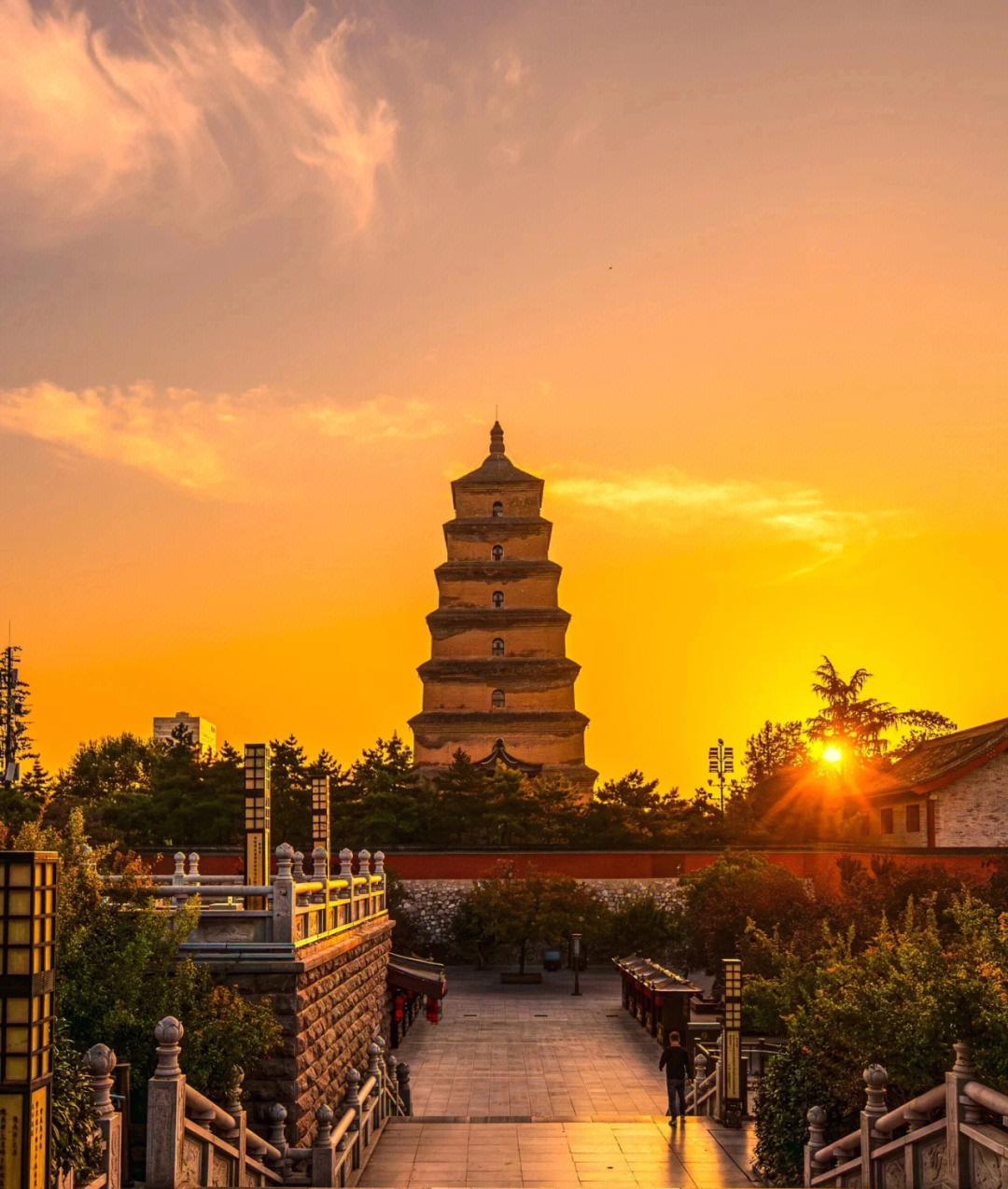
The city’s economy provides growing employment opportunities in aerospace, defense technology, electronics, software development, advanced manufacturing, education, and research. As one of western China’s leading innovation hubs, Xi’an attracts both domestic and international investment. Its combination of rich historical heritage, strong academic institutions, and expanding high-tech industries makes Xi’an an attractive destination for students, researchers, and professionals seeking education and career development.
中国幅员辽阔,每一座城市都有其独特的魅力与机遇。希望这份指南能帮助你找到那座与你心灵契合的城市,开启一段精彩的中国留学之旅!


